Homeschool Blog
Welcome to the Homeschool Blog: Inspiring Ideas and Tips for Nature-Based Learning and More
-
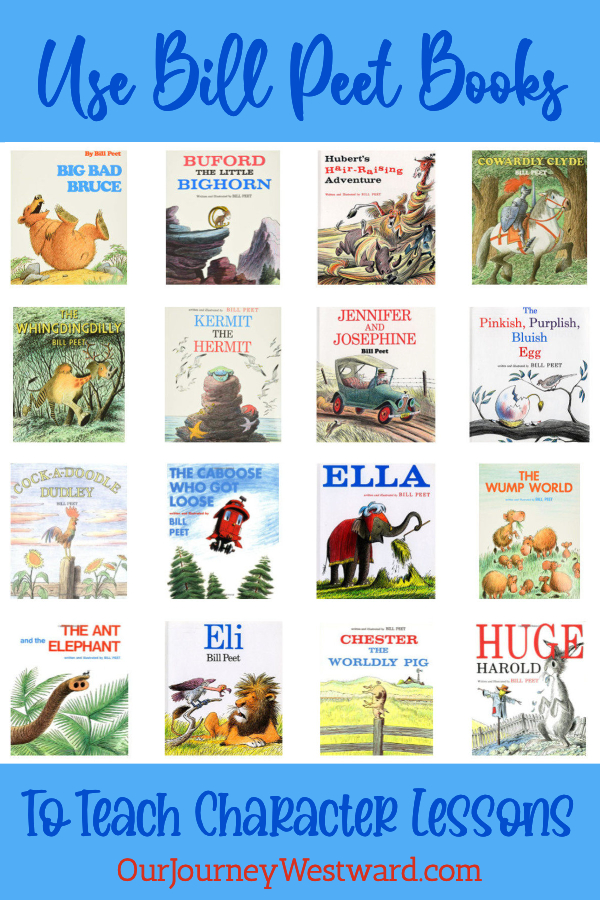
How Bill Peet Can Help You Teach Character Lessons
I’ve talked a lot about using picture books to help teach good character qualities here at Our Journey Westward. For that matter, I’ve talked a lot about using picture books to teach, well, everything. Bill Peet’s stories are some of my favorites for helping children recognize kindness, honesty, courage, and the consequences of poor choices. His stories are often hilarious, his animal characters have very human problems, and his illustrations add so much to the telling. There’s plenty to enjoy together before you ever ask a discussion question. This post contains affiliate links. Bill Peet Character Lessons Woven into many…
More Blog Posts
-
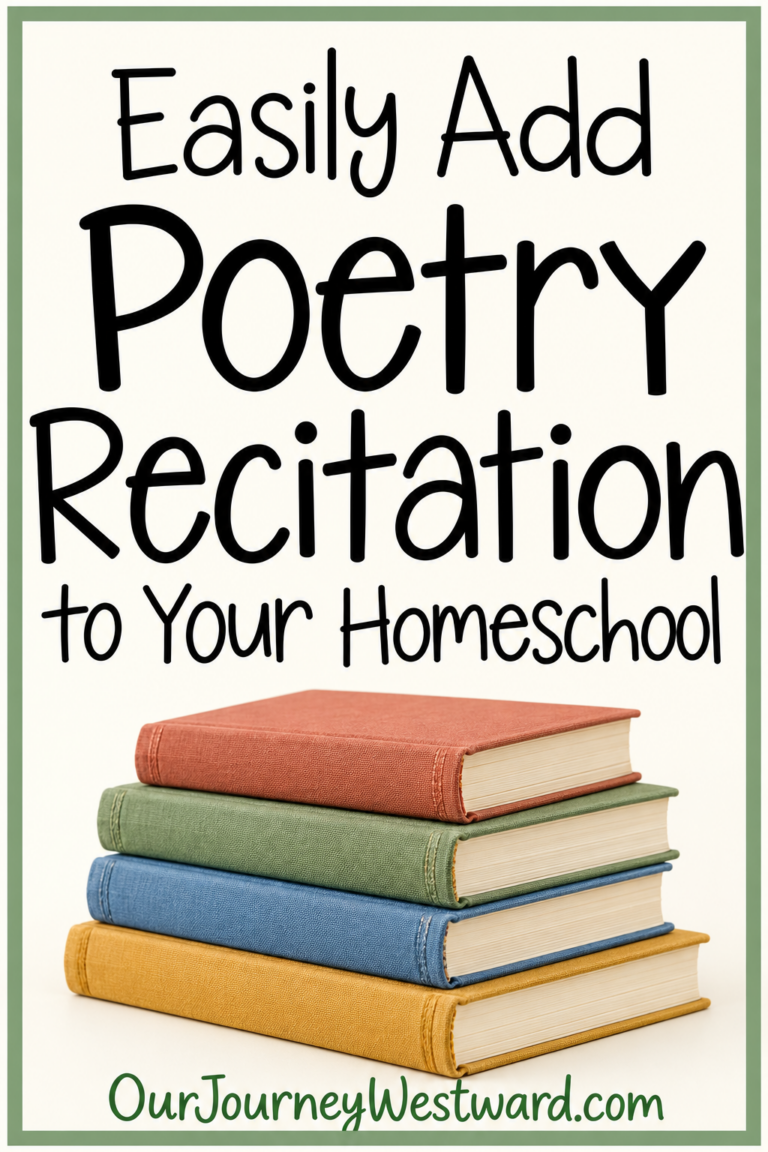
Easily Add Poetry Recitation to Your Homeschool
When my son was in second grade, I decided to give weekly poetry recitation a try. I wanted poetry to have a bigger place in our homeschool, but I honestly had no idea how much fun the two of us…
-
Can Sound Travel Through Water? Amazing Facts to Hear
Sound travels about four times faster through water than through air. So why does a sharp slap against a swimming pool wall sound like a muffled thump beneath the surface? This underwater sound nature study investigates that puzzling difference between…
-
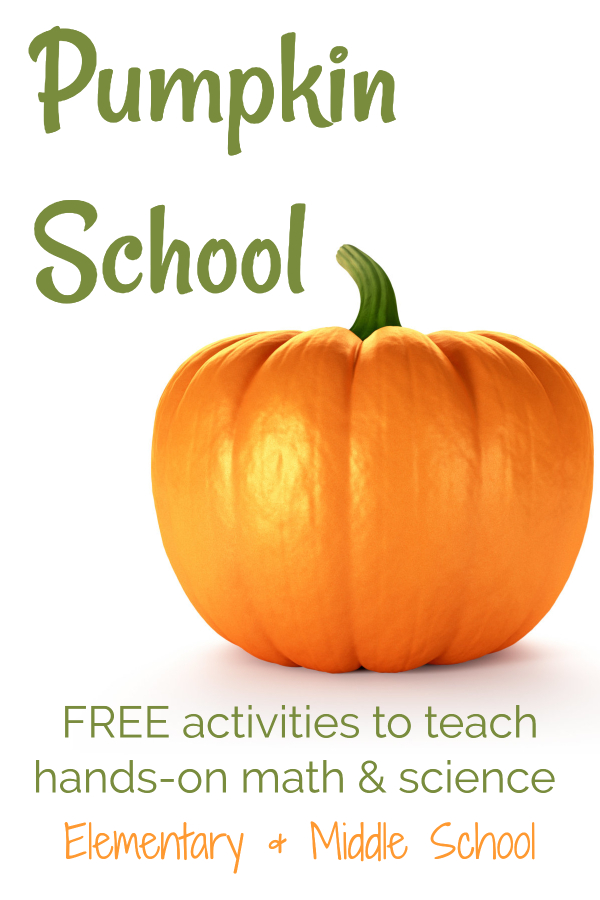
Pumpkin School: Math and Science Activities for Autumn
Can you imagine using pumpkins to teach math, science, geography, history, AND language arts? You can do just that while enjoying a fun day of pumpkin school! Set aside the textbooks for an afternoon or spread these pumpkin math and…
-
A Great Lakes Nature Study Begins Beneath the Water
Lake Superior stretches beyond the horizon, while a small lake might fit between two wooded shores. Size alone doesn’t explain why both are lakes. In this Great Lakes Nature Study podcast episode, Mrs. Cindy starts with the land hidden beneath…
-
Chromatography with Leaves: A Colorful Fall Science Experiment
Chromatography with leaves is a fascinating experiment that reveals some of the pigments hidden inside green leaves. Kids will explore the chemistry of chromatography while learning how leaf pigments contribute to autumn colors. This post contains affiliate links. What Is…
-
What Makes an Animal Good at Moving? An Animal Movement Nature Study
How does a squirrel race headfirst down a tree without tumbling to the ground? Its ankle joints can rotate until its back feet point backward, giving its claws a better grip on the bark. That surprising detail is just one…

Try a free science class!
Your children can learn science through the lens of nature study while creating meaningful nature journal pages during No Sweat Nature Study classes.
1st-8th graders learn in-depth science and scientific vocabulary as they build skills in observation, art, writing, note-taking, charting, diagramming, and higher-order thinking.